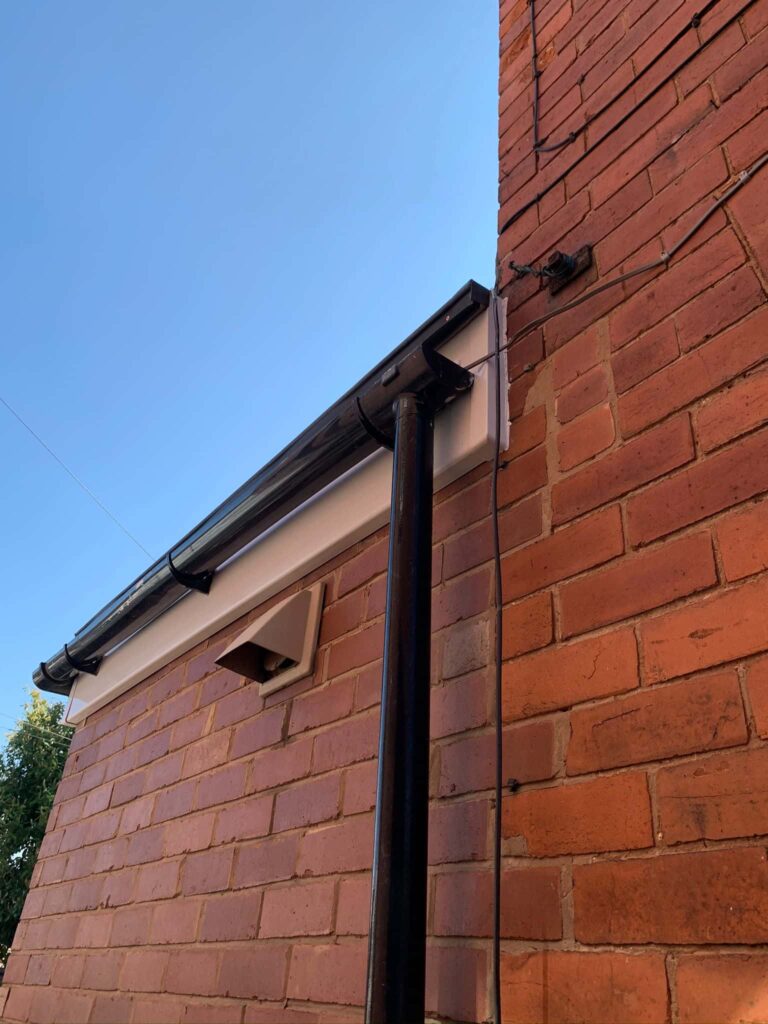
What Situations Count as a Roofing Emergency?
Roofing problems do not always develop gradually. Some issues require immediate attention to prevent serious damage to the property. Knowing what qualifies as a roofing emergency helps homeowners act quickly and protect their home when time is critical.
At Northampton Roofing Services, we regularly assist homeowners across Northampton who are unsure whether their roofing issue needs urgent professional attention. Understanding the warning signs can help prevent further damage.
Active Roof Leaks During Heavy Rain
One of the most obvious roofing emergencies is an active leak, especially during heavy rainfall. Water entering the property can quickly affect ceilings, walls, insulation, and internal structures.
Even minor leaks can spread once water finds a path through the roof. If water is visible inside the home, the situation should be treated as urgent.
Storm Damage and Missing Roof Materials
High winds and storms can dislodge tiles, slates, or ridge components without warning. When roof coverings are missing or visibly damaged, the roof is exposed to further weather impact.
This exposure increases the risk of water ingress, additional material loss, and wider roof instability.
Structural Movement or Roof Sagging
Any noticeable sagging or movement in the roof structure should be considered an emergency. This often indicates underlying structural stress, prolonged water exposure, or weakened supports.
In Northampton, older properties can be particularly vulnerable if issues have gone unnoticed over time. Prompt professional assessment is essential to prevent further deterioration.
Damage Around Chimneys and Roof Junctions
Chimneys, valleys, and roof junctions are common weak points. When flashing becomes loose or damaged, water can enter the roof structure even if surrounding tiles appear intact.
Leaks originating from these areas can allow water to travel unseen, leading to damage beyond the initial entry point.
Internal Warning Signs That Should Not Be Ignored
Some roofing emergencies are first noticed indoors rather than outside. Sudden damp patches, dripping water, or staining on ceilings and walls often point to an urgent roofing problem.
Ignoring these signs can allow moisture to spread into roof timbers and insulation, increasing the risk of long-term damage.
Why Roofing Emergencies Should Never Be Delayed
Roofing emergencies rarely resolve on their own. Delaying action often allows water penetration, material failure, or structural stress to worsen over time.
A quick professional response helps stabilise the situation, limit further impact, and protect the property from avoidable complications.
The Importance of Professional Assessment
Not every roofing issue is an emergency, but it is not always easy for homeowners to judge severity. A professional inspection provides clarity and ensures urgent problems are identified and addressed correctly.
Northampton Roofing Services focuses on careful assessment and applying the appropriate solution to protect both the roof and the property beneath it.
Conclusion
A roofing emergency typically involves situations where the roof is allowing water into the property, has suffered sudden damage, or shows signs of structural instability. Active leaks, storm damage, sagging sections, and failing roof junctions should all be treated as urgent concerns.
If you are experiencing a roofing issue in Northampton and are unsure whether it counts as an emergency, Northampton Roofing Services can provide prompt, professional guidance and support. Acting early is the best way to protect your home and restore peace of mind.
Call us on: 01604 279 698
Click here to find out more about Northampton Roofing Services
Click here to complete our contact form and see how we can help with your roofing needs.