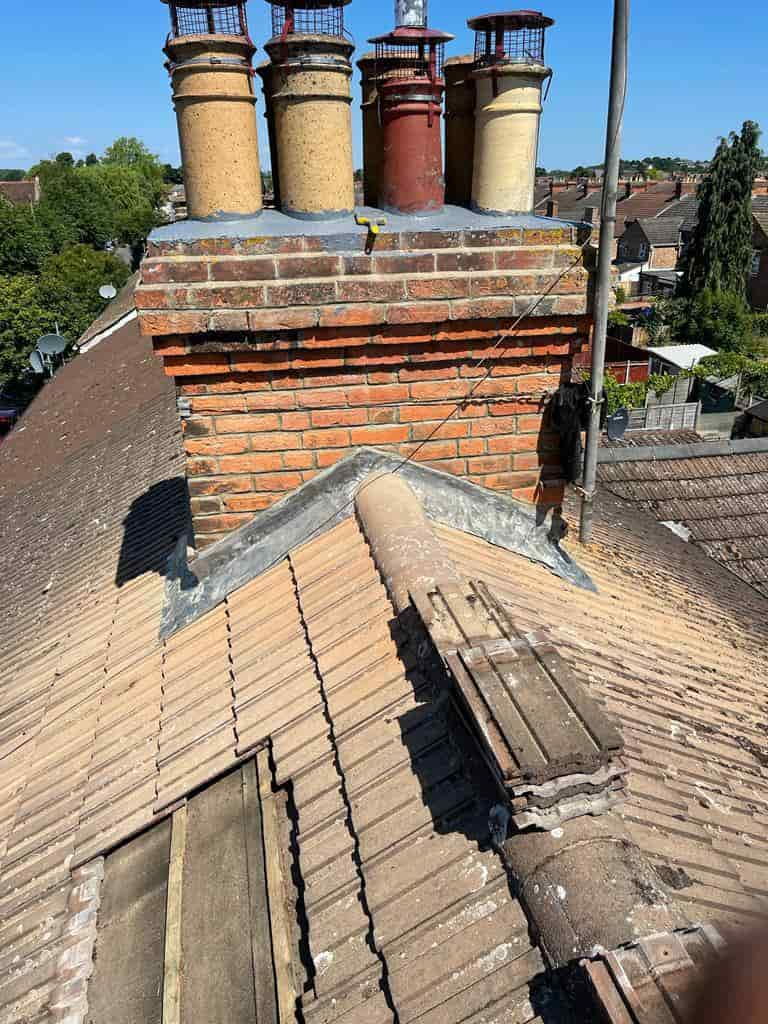
How One Roof Repair Could Prevent Several Others
Roof problems often develop as a chain reaction rather than as completely separate faults. A single slipped tile can expose the materials beneath it, a small flashing defect can allow moisture into surrounding areas, and a loose ridge component can leave neighbouring sections increasingly vulnerable to weather.
This is why dealing with a roofing defect at an early stage can be so valuable. The right repair does more than correct what is visibly wrong today; it can also help protect surrounding components from the conditions that might otherwise lead to further deterioration.
For homeowners in Northampton, Northamptonshire, Northampton Roofing Services provides professional roof repairs focused on identifying the cause of a problem and restoring the affected area before additional defects have an opportunity to develop.
Roofing Components Work Together
A roof should be viewed as a complete system rather than a collection of individual materials.
Tiles or slates provide the primary external covering, while flashing protects vulnerable junctions. Ridge and hip details cover important intersections, and gutters help move rainwater away from the roof.
When one component stops performing correctly, nearby materials may experience conditions they were not intended to deal with.
This interconnected nature of roofing explains why one correctly completed repair can sometimes prevent several future problems.
A Slipped Tile Can Expose More Than One Area
A single slipped tile may appear relatively insignificant from ground level.
However, pitched roof coverings depend on correctly positioned overlaps. When a tile moves, the area beneath it may become more exposed to wind-driven rain.
If the problem remains unresolved, moisture and weather exposure can potentially affect surrounding roofing components.
Professional repair should therefore involve more than simply pushing the tile back into place. It is important to establish why it moved and whether the fixing or nearby materials also require attention.
Addressing the cause helps reduce the likelihood of the same problem recurring.
Replacing a Broken Tile Can Protect the Materials Beneath
Cracked or broken roof coverings are another example of a relatively localised defect that deserves prompt attention.
Although the damage may initially affect only one tile or slate, the opening it creates can expose the roofing system underneath.
Replacing the damaged covering while the problem remains isolated can help restore the roof’s protective outer layer before prolonged exposure contributes to further deterioration.
It also provides an opportunity to inspect the immediate surrounding area for any additional damage that may not be obvious from the ground.
Flashing Repairs Can Prevent Wider Water Ingress
Lead flashing is commonly used around roof junctions where maintaining weather resistance requires careful detailing.
Typical locations include areas around chimneys, walls and other roof features.
A small split, lifted edge or displaced section can create a route for rainwater. Once moisture gets behind a junction, the resulting symptoms may eventually appear some distance away from the original defect.
Repairing suitable flashing deterioration promptly can help protect:
- Surrounding tiles or slates
- Roof junctions
- Underlying roofing components
- Nearby internal areas
The value of the repair therefore extends beyond the piece of leadwork itself.
Ridge Repairs Can Help Preserve Surrounding Roof Coverings
Ridge tiles occupy one of the most exposed areas of many pitched roofs.
If an individual ridge tile becomes loose or surrounding materials deteriorate, continued weather exposure can potentially worsen movement in the affected section.
Early professional attention can determine whether the issue is isolated or whether adjoining ridge components also require work.
Correcting the weakness before additional movement occurs can help maintain the integrity of the wider ridge line.
The Same Principle Applies to Hip Tiles
Hip tiles protect the angled junction where roof slopes meet.
Because these components form an important part of the roof’s external covering, looseness or deterioration should not simply be regarded as an appearance issue.
A repair carried out at the right time can restore the affected section before neighbouring components become increasingly exposed.
As with any roofing repair, the objective should be to understand why the defect developed rather than dealing only with what is immediately visible.
Stopping One Leak Can Protect Several Components
Roof leaks are particularly good examples of how one defect can create several secondary problems.
Water entering through a relatively small external weakness may travel before becoming visible inside the property.
Depending on the route it takes, moisture can potentially affect different parts of the roofing system along the way.
Finding and repairing the actual entry point can therefore stop continued exposure across more than one component.
This is why accurate leak detection is so important.
The Damp Patch May Not Be Directly Below the Problem
A common mistake is assuming that the roof defect must be directly above an internal water stain.
Water can travel along underlay, structural components and other surfaces before finally becoming visible.
A professional roofer may therefore need to assess a wider area around the suspected leak.
Treating the wrong location can leave the original defect unresolved, allowing moisture to continue entering even though repair work has been attempted.
Finding the source first makes the repair much more valuable.
Gutter Problems Can Affect the Roof Edge
Guttering is responsible for collecting and directing rainwater away from the roof.
When gutters become blocked, displaced or unable to handle water correctly, overflowing water can repeatedly affect surrounding roof-edge areas.
Addressing a guttering problem can therefore help prevent unnecessary moisture exposure elsewhere.
Signs worth investigating include:
- Regular overflowing during rainfall
- Visible sagging
- Water escaping from inappropriate locations
- Heavy debris accumulation
- Sections appearing out of alignment
Maintaining effective rainwater drainage supports the performance of the wider roofing system.
A Valley Repair Can Protect a Major Drainage Route
Roof valleys carry concentrated rainwater between adjoining slopes.
A relatively small defect within this area can therefore have a disproportionate effect on roof performance.
Damaged valley materials, displaced adjoining tiles or accumulated debris can interfere with the intended movement of water.
Correcting the problem early helps preserve an important drainage route before continued exposure affects neighbouring areas.
Fixing Loose Roof Edges Can Prevent Further Movement
Roof edges can be particularly exposed to wind.
If verge components or tiles around the perimeter become loose, further weather can potentially increase movement.
Once one component has shifted, neighbouring materials may become more exposed than they were previously.
Professional repair can restore the affected edge and allow adjoining components to be checked for signs of instability.
This can prevent a small perimeter defect from developing into a larger area requiring attention.
Flat Roof Defects Can Spread if Left Unaddressed
The principle of early repair is equally important with flat roofing.
A small split, damaged seam or deteriorated detail may initially affect only a limited area. If moisture is able to penetrate beneath the surface, however, determining the extent of the problem can become more complicated.
Early assessment of defects such as:
- Splits
- Cracks
- Damaged joints
- Deteriorating edges
- Problems around penetrations
- Localised surface damage
can help establish whether a targeted repair can restore the roof before deterioration spreads further.
One Repair Can Also Reveal Another Developing Weakness
Professional roof repair provides an opportunity to inspect the surrounding area rather than concentrating exclusively on the obvious fault.
For example, while investigating a slipped tile, a roofer may identify that a neighbouring covering is also loose. Similarly, inspection of defective flashing may reveal deterioration in adjoining materials.
This does not mean unnecessary work should be carried out.
Instead, examining the immediate surrounding roof allows genuine developing defects to be identified while they are still manageable.
Why Repeated Repairs Sometimes Happen
If roofing problems continually return, there may be a difference between repairing the symptom and correcting the underlying cause.
Consider a tile that repeatedly slips.
Replacing it each time may address the immediate problem, but if the reason for the movement is never identified, the defect may continue.
The same principle can apply to recurring leaks or repeated deterioration around a roof junction.
A professional repair should answer two questions:
- What has failed?
- Why has it failed?
The second question is often what helps prevent future problems.
Prompt Attention Can Help Preserve Serviceable Roofing
One of the strongest arguments for early roof repair is that it can help retain roofing materials that remain in good condition.
When a defect is localised, there may be no reason to disturb large sections of a serviceable roof.
By correcting the problem before deterioration spreads, targeted repairs can help protect the surrounding roofing system.
This is particularly important for homeowners who want to maintain an existing roof effectively rather than waiting until several interconnected problems require attention.
Does Every Small Defect Need Immediate Major Work?
No. Identifying a roofing problem early does not mean extensive work will automatically be necessary.
In fact, the opposite can often be true.
A professional inspection may establish that:
- Only one or two tiles require attention
- A flashing defect is localised
- A particular ridge section needs repair
- A guttering issue is causing the symptoms
- A small flat roof defect can be treated independently
The purpose of early inspection is to understand the problem while appropriate options remain available.
When Several Problems May Indicate Something Bigger
Although one repair can often prevent further defects, there are circumstances where several existing problems indicate wider deterioration.
Warning signs can include:
- Numerous slipping or damaged tiles
- Leaks developing in different areas
- Extensive deterioration of roofing materials
- Several ageing repairs beginning to fail
- Problems affecting multiple roof junctions
- Increasingly frequent maintenance requirements
In these circumstances, continually repairing individual defects may not address the overall condition of the roof.
A professional assessment can determine whether further targeted repairs remain appropriate or whether more comprehensive roofing work should be considered.
Why Professional Inspection Adds Value
The most effective repair is not necessarily the most obvious one.
A professional inspection considers the defect in relation to surrounding roofing materials and the wider construction.
This helps determine:
The immediate cause
What has actually failed?
The extent of the problem
Is the damage genuinely localised?
The condition of surrounding materials
Have neighbouring components also been affected?
The most appropriate repair
What work will restore the roof without unnecessarily disturbing sound areas?
This approach helps ensure that repair work provides meaningful value beyond simply improving the roof’s appearance.
Professional Roof Repairs in Northampton
At Northampton Roofing Services, we provide professional roofing services throughout Northampton, Northamptonshire, including inspections, leak repairs and general roof repairs.
Our approach is focused on understanding why a roofing problem has developed and whether it has affected surrounding components. Where the defect remains localised, a carefully completed repair can help restore weather resistance and protect the serviceable roofing around it.
If several problems are present, we can assess the wider condition of the roof and recommend an appropriate approach based on what the roofing system genuinely requires.
Conclusion
One roof repair can sometimes prevent several others because roofing components do not operate independently. A slipped tile can expose underlying materials, defective flashing can allow moisture into adjoining areas, and a loose ridge or verge component can leave surrounding sections increasingly vulnerable.
Dealing with the original weakness promptly can interrupt this chain of deterioration. The key is ensuring that the repair addresses the cause rather than simply treating the most visible symptom.
For homeowners in Northampton, Northamptonshire, Northampton Roofing Services provides professional roof inspections and repairs focused on protecting the wider roofing system wherever possible. If you have noticed a small defect, recurring leak or loose roofing component, contact our team to arrange an assessment and determine the appropriate repair before the problem has an opportunity to spread.
Call us on: 01604 279 698
Click here to find out more about Northampton Roofing Services
Click here to complete our contact form and see how we can help with your roofing needs.